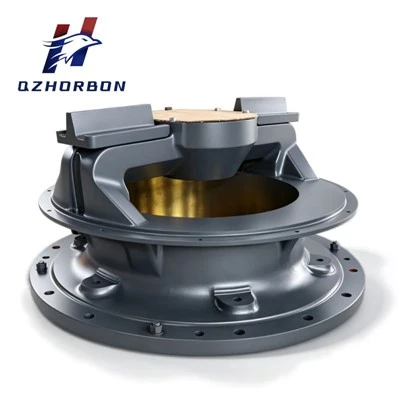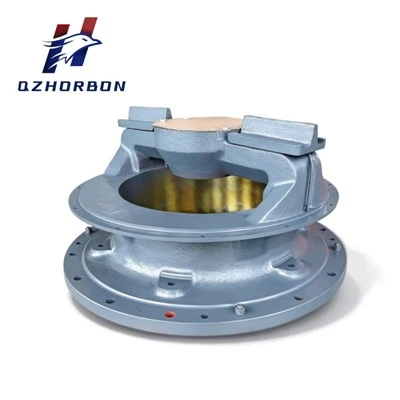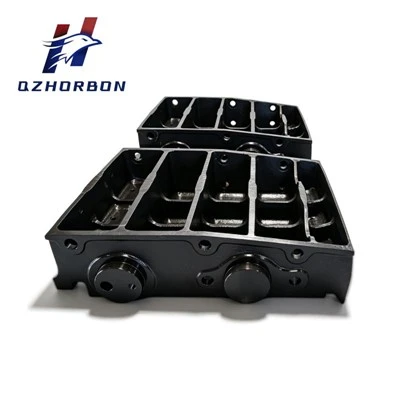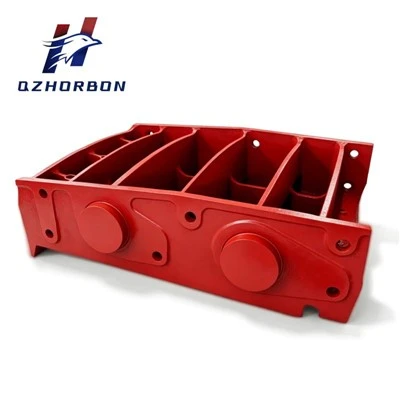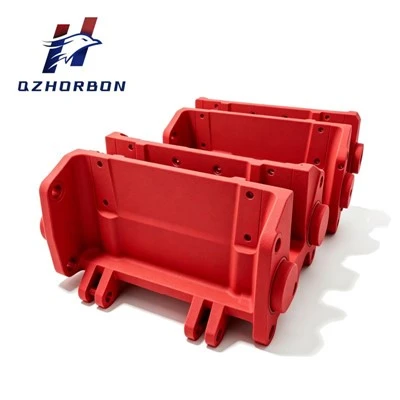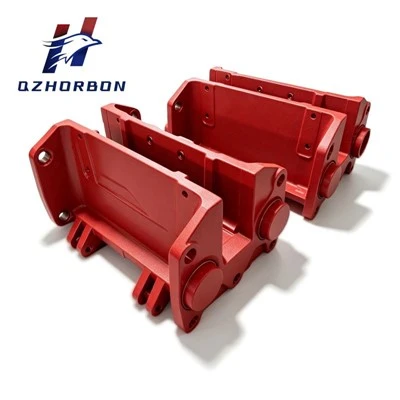

High-quality raw materials serve as the foundation for manufacturing high-quality machine frames; common materials include standard steel, among others. Prior to commencing production, these raw materials undergo rigorous inspection to ensure their quality meets all specified requirements.
The second step is processing and manufacturing. This stage encompasses various processes, including cutting, welding, forging, and machining. Utilizing advanced processing equipment and techniques, the raw materials are transformed into frame components that precisely adhere to the design specifications. For instance, CNC cutting machines are employed for precision cutting, while automated welding equipment is utilized to guarantee the integrity and quality of the welds.
The third step is quality inspection. Upon the completion of the machine frame's production, a comprehensive quality assessment is conducted. This inspection covers various parameters, such as dimensional accuracy, surface roughness, hardness, and the absence of internal defects. Only those frames that successfully pass these rigorous inspections are cleared to proceed to the subsequent stage.
The fourth step is surface treatment. To enhance the machine frame's corrosion resistance and aesthetic appeal, it typically undergoes surface treatments-such as painting or galvanizing.
Machine frames for crushers find extensive application across a wide array of industries. In the mining sector, they serve as critical components in ore crushing operations, significantly boosting both the efficiency and quality of the crushing process. In the construction industry, they are utilized to crush construction waste and concrete, thereby facilitating the recycling and recovery of resources. Furthermore, in the chemical industry, these frames enable the crushing and processing of various chemical raw materials.