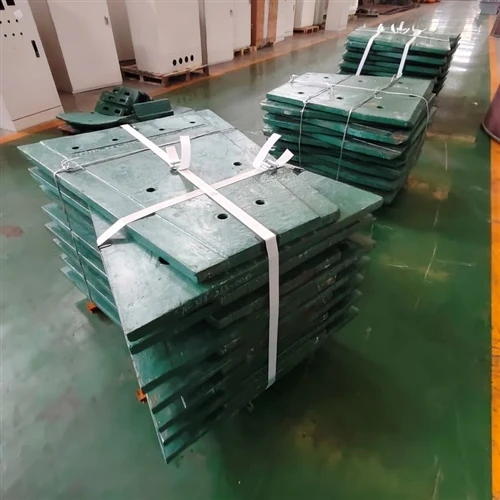


If you've ever had a crusher go down mid-shift because a rotor failed early, you already know the real question isn't "OEM or aftermarket" - it's which specific parameters actually predict how long a rotor will last and how safely it will run. Buyers get burned not because they chose "aftermarket" in the abstract, but because they never compared the numbers that matter: alloy grade, hardness, balance class, and fit tolerance. This article breaks down those parameters so you can evaluate a replacement crusher rotor against OEM parts and other third-party suppliers on facts, not brand names.
Why "OEM vs Aftermarket" Is the Wrong Frame
Most comparison articles stop at a binary: OEM is reliable but expensive, aftermarket is cheap but risky. That framing hides more than it reveals. A well-engineered replacement rotor from a specialized foundry can match or exceed OEM specs, while a poorly cast "budget" rotor - even one sold under a recognizable aftermarket brand - can fail in a fraction of the expected service life. The variable that actually decides outcomes is parameter conformance, not the label on the invoice. Below are the six parameters worth checking before you place an order.

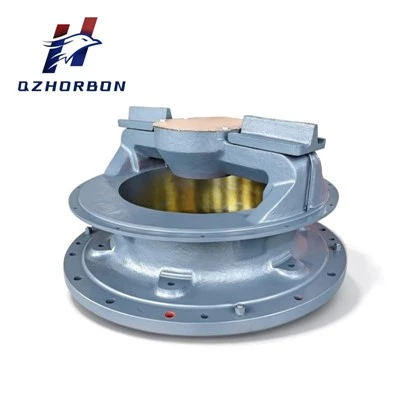
Horbon Replacement Crusher Rotor
1. Alloy Composition and Hardness
The rotor body and its wear components are only as good as the steel behind them. Most quality impact and VSI crusher rotors use high manganese steel grades such as Mn14Cr2, Mn18Cr2, or Mn22Cr2, chosen because manganese steel work-hardens under impact - the surface becomes progressively harder as it absorbs collisions, which is exactly the loading pattern inside a crusher.
When comparing suppliers, ask for the certified chemical composition report and the target hardness range (typically expressed in HB before service and HRC after work-hardening). A supplier that can't produce a mill certificate is asking you to trust a guess. Horbon's rotor castings are produced with documented alloy control specifically so B2B buyers can cross-check specs against OEM datasheets rather than take a sales claim on faith.
2. Dynamic Balancing Precision
This is the parameter competitor pages mention least, yet it has an outsized effect on bearing life. An unbalanced rotor doesn't just vibrate - it accelerates bearing wear, loosens fasteners, and can cause catastrophic failure at operating speed. The industry reference here is ISO 1940-1, which defines balance quality grades (commonly G6.3 for crusher rotors). When you're told a rotor is "precision balanced," the follow-up question should always be: to what ISO 1940-1 grade, and is there a test report?
Balancing tolerance is one of the clearest places where cheaper alternatives cut corners - it doesn't show up in a visual inspection or even a short test run, only after weeks of operation when bearing temperatures start climbing.
3. Dimensional and Bolt-Pattern Tolerance
A replacement rotor is only useful if it fits. Cross-brand compatibility (Metso, Sandvik, Trio, Barmac, and similar platforms) depends on matching shaft bore diameter, keyway position, bolt circle, and overall rotor diameter within tight tolerance bands - often measured in fractions of a millimeter. A rotor that's a few millimeters off in diameter can throw off rotor tip speed and crushing gradation even if it technically bolts on.
This is also where installation quality compounds design quality: even a correctly specified rotor can underperform if it's mounted incorrectly. For teams handling their first swap, our replacement crusher rotor installation walkthrough with photos covers shaft alignment, torque sequencing, and clearance checks step by step so fit tolerance on paper actually translates into fit tolerance in the field.
4. Wear Life Under Load (Real Data, Not Marketing Claims)
Wear life is the number that ultimately determines cost per ton, and it's also the number most often reported without context. A rotor's wear life depends on the abrasiveness of the material being crushed, throughput tonnage, and maintenance discipline - so a "12-month lifespan" claim from one operation processing soft limestone isn't comparable to another running abrasive granite at high tonnage.
Ask suppliers for wear life data normalized per ton processed, not just calendar time, and ask what feed material that figure is based on. Field data from cone and impact crusher operations has shown OEM-grade manganese components outlasting non-conforming aftermarket parts by roughly 30% in wear life, though that gap narrows substantially once total cost - including freight, warranty terms, and lead time - is factored in rather than upfront price alone.
5. Total Cost of Ownership, Not Sticker Price
Purchasing teams frequently compare quoted prices and stop there. A more accurate comparison includes:
Base unit price
Freight and import duties (a meaningful swing factor when sourcing internationally)
Warranty coverage period and what it actually covers
Lead time and its cost in downtime if a rotor fails without a spare on hand
Historical wear life at your specific tonnage and material hardness
A rotor priced 15–20% below OEM can still be the better deal if it meets the same alloy and balance specs - but it can also be a false economy if a cheaper unit needs replacing twice as often. The only way to know which case you're in is to request the underlying parameter data, not just the price sheet.
6. Documentation and Traceability
The last parameter is less technical but arguably most predictive of supplier reliability: whether the manufacturer can produce material certificates, balance test reports, and dimensional inspection records for the specific batch you're buying - not generic spec sheets pulled from a catalog. Suppliers who routinely provide this documentation tend to have tighter quality control overall, because traceability requires process discipline at every casting and machining stage.
Once a rotor is installed, ongoing performance also depends on how it's operated day to day - feed rate control, wear plate inspection intervals, and vibration monitoring all affect whether the parameters above hold up over time. Our replacement crusher rotor daily operation guidelines outlines the routine checks that protect the investment regardless of which supplier the rotor came from.
Actionable Takeaways
Request the alloy certificate and hardness range before comparing prices - a lower price with unverified alloy composition isn't actually a comparable product.
Ask specifically for the ISO 1940-1 balance grade and test report; don't accept "precision balanced" as a specification.
Confirm dimensional tolerances against your existing crusher's OEM drawing, especially bolt circle and bore diameter, before ordering.
Normalize wear life claims by tonnage and feed material, not calendar months, so you're comparing like with like.
Calculate total cost of ownership - including freight, warranty, and downtime risk - rather than deciding on unit price alone.
Choose suppliers who provide batch-specific documentation, which is usually a reliable proxy for overall manufacturing discipline.
Explore the full parameter specifications for Horbon's replacement crusher rotor line, including alloy options and compatibility across major crusher brands.
FAQ
Q1: Is a replacement crusher rotor from a third-party foundry as reliable as an OEM rotor?
It can be, provided the alloy composition, hardness, and balance grade match or exceed OEM specification - reliability depends on parameter conformance, not on whether the part is OEM-branded.
Q2: How long should a crusher rotor last before replacement?
It varies widely by feed material and tonnage; rather than relying on a fixed timeframe, track wear against tonnage processed and inspect wear plates on a regular schedule.
Q3: What's the biggest hidden cost when choosing a cheaper replacement rotor?
Unplanned downtime from premature failure, plus any freight, duty, or setup fees not included in the initial quote - these can erase upfront savings quickly.
Q4: Can a replacement rotor fit multiple crusher brands?
Yes, if the manufacturer matches bore diameter, keyway, and bolt pattern to your specific crusher model's drawing - always verify against your machine's OEM specifications rather than assuming universal fit.
Q5: What causes rotor imbalance after installation?
Incorrect torque sequencing, uneven wear plate wear, or a rotor that didn't meet its rated ISO 1940-1 balance grade to begin with - proper installation and periodic inspection both help prevent it.