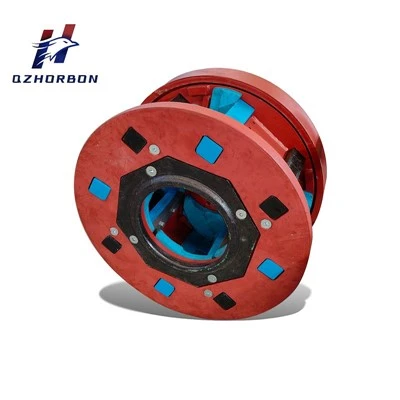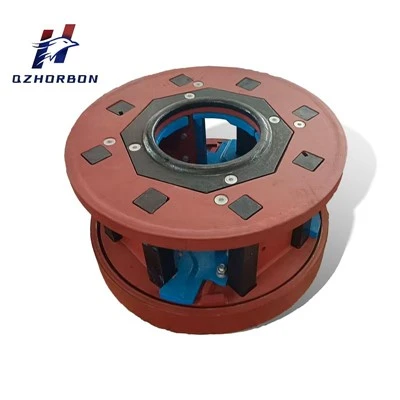


If you've ever ordered a replacement crusher rotor only to find it doesn't fit, wears out in weeks, or arrives rusted after weeks at sea, you're not alone. A rotor is the core rotating component inside impact and VSI crushers - it absorbs the heaviest impact loads in the entire machine, so getting the sourcing wrong doesn't just cost a few hundred dollars. It can shut down an entire production line for weeks.
After reviewing sourcing patterns across mining and quarry operations, we found the same five mistakes showing up again and again when buyers purchase a replacement crusher rotor from overseas suppliers. Here's how to avoid each one.

Mistake 1: Ordering from a photo instead of a drawing or part number
The most common - and most costly - mistake is sending a photo of a worn rotor with "I need one like this" instead of technical documentation. Even rotors for the same crusher model can differ slightly in shaft diameter, keyway position, or balancing hole placement depending on production batch or origin factory. A photo simply can't capture these tolerances.
The safer path is twofold. If you have the original Part Number or a 3D drawing, send it directly to the manufacturer for OEM production. If you don't have drawings - only a damaged rotor - look for a supplier that offers reverse engineering: they measure the worn part, rebuild a 3D model, and issue new 2D/3D drawings, typically within about 3 days when the factory has an in-house engineering team. This extra step feels slower up front, but it's what prevents a rotor that simply won't bolt on.
Mistake 2: Comparing price only, without checking material test reports
Material quality is the hardest thing to judge with the naked eye, and it's exactly where corners get cut. "High manganese steel" and "chrome-moly alloy steel" can mean very different things depending on the exact alloy composition and heat treatment a factory actually uses. A rotor that looks identical to a genuine one can wear out or crack within weeks if the alloy ratio or hardening process falls short.
Before ordering, ask for test documentation: spectral analysis (confirms alloy composition), hardness testing in HRC (confirms heat treatment quality), CMM dimensional inspection (confirms machining accuracy), and non-destructive testing for internal flaws or cracks. A supplier that can't produce these reports - or gives vague answers - usually doesn't have a real quality control process behind the product. Factories with in-house labs and melting furnaces can even customize alloy ratios to a buyer's specific drawing - the kind of capability you'll typically only find at a genuine crusher parts manufacturer, not a trading company.
Mistake 3: Overlooking anti-rust packaging and shipping standards
Packaging is the part of sourcing buyers think about least - and regret the most. A precision-machined rotor shipped in plain wrapping through a one- to two-month ocean voyage, especially to humid regions, will very likely arrive with surface corrosion. That means extra polishing before installation at best, and a disputed claim over who's responsible for the damage at worst.
For long-haul shipments - particularly to Southeast Asia, the Middle East, or Africa - confirm the packaging method before placing the order: fumigated wooden cases (compliant with IPPC standards) or steel frame packaging for heavier units. It's a small line item on a quote, but it directly determines whether the rotor is ready to install on arrival or needs rework first.
Mistake 4: Chasing the lowest MOQ and price while ignoring lead time and stock
Many buyers negotiate the minimum order quantity (MOQ) and unit price down as far as possible, but overlook a more important question: does the supplier actually keep stock, and what's their real production lead time? Rotors are wear parts - they're usually ordered urgently, right when a machine is already showing abnormal wear or has failed. In that moment, lead time matters far more than a small discount, because unplanned downtime can cost many times more than the price difference on the part itself.
A better sourcing strategy is to work with suppliers who keep regular inventory and support low MOQs (as low as 5 pieces), so you can restock quickly without over-committing cash to inventory. Get the standard lead time - typically 15–30 days for made-to-order rotors - written into the agreement so you're not caught off guard during an emergency order.
Mistake 5: Skipping after-sales and technical support terms
Most purchase agreements focus entirely on price, lead time, and maybe a warranty clause - and stop there. But a rotor is a critical rotating part; if something goes wrong during installation or early operation, having no clear after-sales process leaves the buyer absorbing the loss alone.
Before you order, confirm: does the supplier offer 24/7 response for technical issues, will they replace the part free of charge if it's confirmed to be a quality defect, do they provide installation guidance documents, and can their team support you remotely with video or photo troubleshooting? These terms look minor on a quote sheet, but they're often what limits your downtime when something does go wrong.

Summary: Your Pre-Order Checklist
Before your next replacement crusher rotor order, run through this checklist:
- Do you have a drawing or Part Number? If not, can the supplier reverse-engineer from your worn part?
- Have you requested spectral, hardness, and CMM inspection reports?
- Has the supplier confirmed anti-rust packaging (fumigated wooden case or steel frame)?
- Does the supplier hold stock, and is the lead time confirmed in writing?
- Are after-sales terms - response time, free replacement, technical support - clearly stated?
Treating these five points as a pre-order checklist turns supplier selection from a gamble into a controlled decision.
FAQ
Is a replacement rotor as good as an OEM rotor?
A replacement rotor made by a specialized manufacturer working from the original drawing, part number, or a measured sample can match or exceed OEM performance - the deciding factor is whether the supplier has genuine reverse engineering and material testing capability, not the "OEM vs. aftermarket" label itself.
How long does a crusher rotor typically last before it needs replacing?
It varies widely with feed material hardness, feeding method, and operating conditions - anywhere from a few months to several years. Regular inspection for wear, cracking, or vibration is a more reliable guide than a fixed replacement schedule.
Can a factory make a replacement rotor if I only have the damaged part, no drawings?
Yes. Suppliers with reverse engineering capability can measure the worn rotor, rebuild a 3D model, and issue new drawings, usually within about 3 days, before moving to production.
How do I know if a supplier's material test report is trustworthy?
Look for concrete data - actual alloy percentages, specific HRC hardness values - rather than a generic "passed" statement. Where possible, ask for third-party inspection or photo/video documentation of the testing process.
Can I order just one or two rotors for an emergency replacement?
Yes, some manufacturers support very low MOQs (as low as 5 pieces) and keep standing inventory specifically for urgent restocking needs. Confirm MOQ policy and current stock availability directly before ordering.